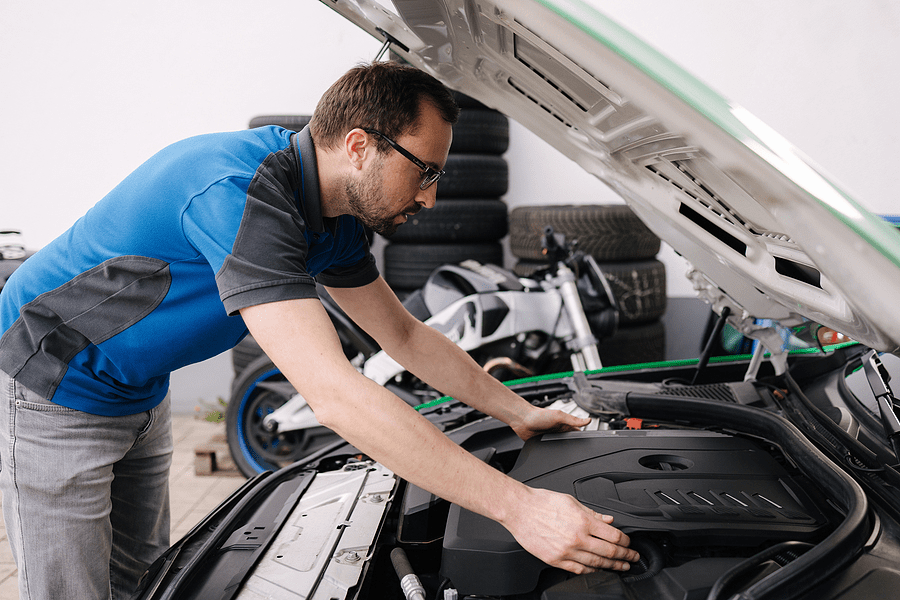
Key Facts About Car Engine Replacement
Car engine replacement involves removing and replacing one or more components of a vehicle’s engine. This process can range from straightforward to highly complex, depending on the engine type and the specific parts that need replacement. Here’s an overview of what you need to know about car engine replacement.
When Is Car Engine Replacement Necessary?
Engine replacement may be required for several reasons, with the most common being engine wear and tear. Over time, engines can deteriorate due to age, excessive use, or damage from factors like water exposure, dirt buildup, or accidents. Even if only a single component fails, replacing the entire engine is often recommended due to the intricate nature of engine repairs.
Other reasons for engine replacement include:
- Performance Upgrades: While aftermarket modifications like turbochargers or superchargers can boost horsepower, replacing the entire engine might be a more cost-effective and efficient solution in the long term.
- Cost Efficiency: In some cases, replacing the engine is more economical than repairing a severely damaged one.
Basic Steps for Car Engine Replacement
The exact steps for engine replacement depend on the engine type and the parts being replaced. However, the general process typically includes the following:
- Preparation: Drain the engine’s coolant and oil.
- Disassembly: Disconnect wiring harnesses, remove exhaust manifolds, and detach components like the starter or alternator.
- Removal: Take out the old engine.
- Installation: Position and secure the new engine.
- Reassembly: Reconnect all engine parts and components.
- Refill Fluids: Add new oil, coolant, and other necessary fluids.
- Testing: Start the engine and check for any issues or leaks.
Average Cost of Car Engine Replacement
The cost of replacing a car engine varies significantly based on the engine type, whether the parts are new or used, and labor costs. On average:
- Used Engines: A basic used engine can cost a few hundred dollars.
- New Engines: A brand-new engine or high-performance model can cost several thousand dollars.
It’s essential to factor in both parts and labor costs before deciding on an engine replacement.
How to Dispose of a Broken Car Engine
Instead of discarding a broken engine as trash, consider recycling it. Selling the engine to a scrap metal recycling center is an environmentally friendly option that can also put some cash in your pocket. Many recycling centers, including those in Indianapolis, accept old engines and other automotive parts for recycling.
By understanding the process, costs, and disposal options, you can make informed decisions about car engine replacement. Whether you’re upgrading for performance or replacing a worn-out engine, proper planning ensures a smoother and more cost-effective experience.
 auto repair Kansas City